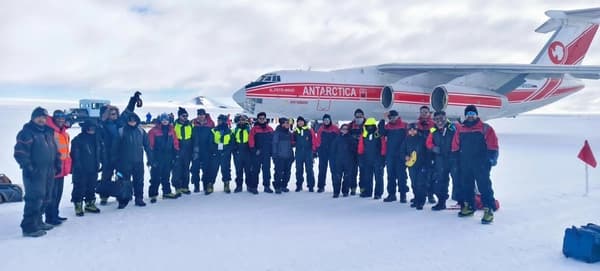
Aarti Gupta, a meteorologist from Bihar Sharif, has become the first woman from Bihar to be selected for an expedition to Antarctica, the coldest continent in the world. This achievement has brought pride not only to her family but also to the entire state.
Aarti Gupta is posted at the India Meteorological Department (IMD), Patna branch. She has been selected as part of India’s scientific team for the Antarctic research mission. With this, she has created history by becoming the first woman from Bihar to receive this honour. A total of 52 members have been selected for the mission, including scientists, technical experts, logistics personnel and medical team members.
Journey Through Meteorology to the Coldest Place on Earth
Aarti Gupta pursued in-depth research in meteorology and, through hard work and dedication, earned a place in this prestigious mission.
Selection Process
The selection for the Antarctic expedition is extremely rigorous. Candidates undergo detailed physical and mental fitness tests. Over nearly a year, participants are assessed for their ability to endure isolation from family and society, survive in extreme cold, adapt to high-altitude conditions, respond to emergencies, and work effectively in a team. Only after completing specialised training and evaluations is final selection made.
Life in Antarctica Is Extremely Challenging
Life during the Antarctic winter is extremely difficult. Severe cold, long periods of darkness, limited resources, and isolation pose major physical and psychological challenges. Under such conditions, patience, discipline, and teamwork become crucial for survival and successful research.
Future Goals
Aarti Gupta aims to dedicate her life to Antarctic research, contribute to advancing Indian scientific exploration, and inspire girls across the country to dream big and break new ground. She believes no dream is impossible with determination and perseverance.
Why Antarctica Matters
Antarctica plays a critical role in understanding climate change, weather systems, and environmental balance. Research conducted there helps scientists study global warming, atmospheric patterns, and Earth’s climate systems.


